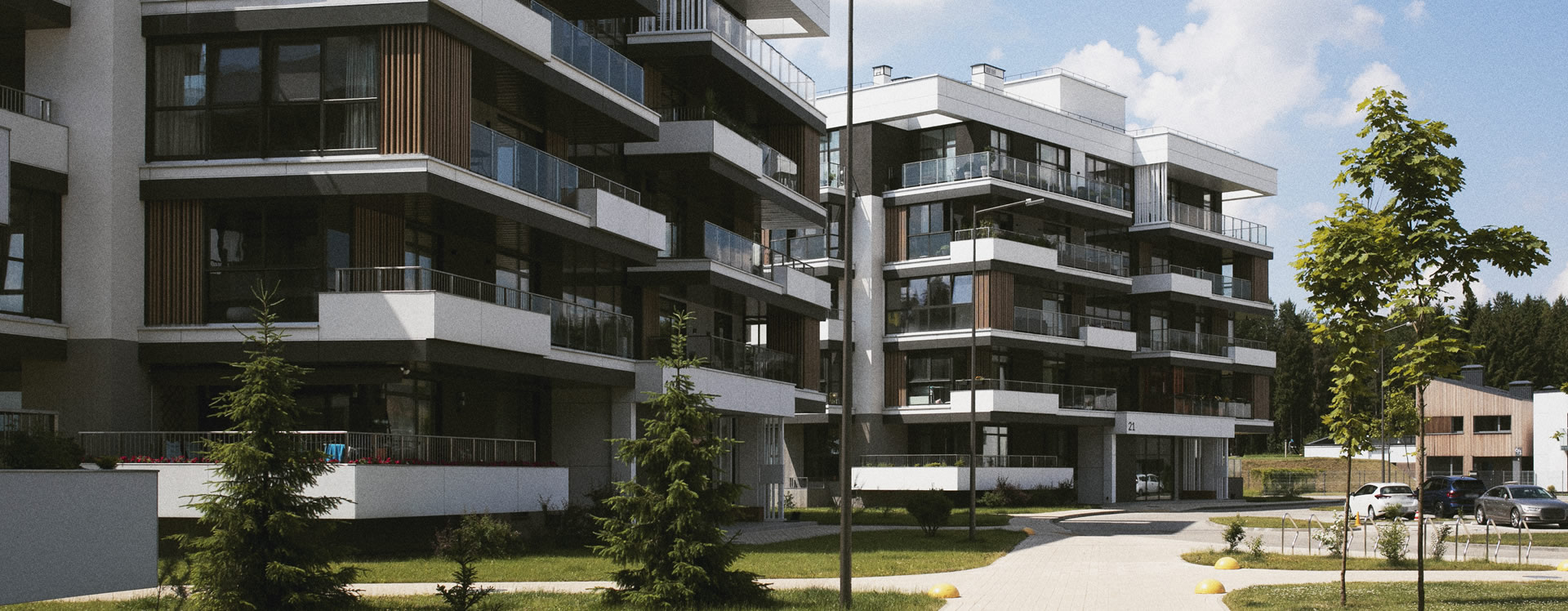

Comparing Traditional Real Estate Investments to Build-to-Rent Opportunities
Note: This article is educational content about build-to-rent. It is not an offer. Our current offering is a construction lending strategy under forward purchase contracts; qualified investors can access details in the data room.
Real estate purchases are popular methods of generating wealth and financial stability. Investors traditionally invest in properties for appreciation and rental income. However, the real estate investment landscape is evolving, and a new concept called “build-to-rent” has gained traction. Build-to-rent opportunities are compared with traditional real estate investments, emphasizing their differences and potential benefits.
Traditional Real Estate Investments:
The traditional investment approach to real estate involves the purchase of properties, such as single-family houses, multi-unit apartments, or commercial buildings, planning to retain and generate rental income from the property for the long term. Investments in traditional real estate share some key characteristics:
1. Ownership and Management:
Property management is the investor’s responsibility, including property maintenance, finding tenants, dealing with rental agreements, and dealing with any issues.
2. Appreciation:
Property values in desirable locations can increase over time, offering investors potential capital gains upon sale.
3. Rental Income:
Rental properties generate a steady basis of income through monthly rent payments from tenants, helping to cover mortgage prices and expenses while potentially generating income.
4. Diversification:
Real estate investors can diversify their portfolios by investing in different types of properties across various locations.
Build-to-Rent Opportunities:
A build-to-rent investment involves building a property specifically to rent it out. It is a relatively new investment model. The build-to-rent model has gained traction due to shifting market trends and changing consumer preferences.
1. Purpose-Built Properties:
Property built for rent is designed and constructed with the needs of renters in mind. Modern amenities, communal spaces, and tenant comfort are standard features.
2. Professional Management:
Property management typically comes with build-to-rent properties, relieving investors of day-to-day management tasks like tenant acquisition, maintenance, and tenant communication.
3. Steady Income:
Build-to-rent investment properties generate consistent rental income, which helps investors achieve predictable cash flows.
4. Location:
Build-to-rent properties are typically located in areas where there is a high demand for rental housing, which can lead to a large tenant pool and a decrease in vacancy rates.
Comparing the Two:
1. Management:
Among the most significant differences between traditional real estate and build-to-rent are the management aspects. There is a substantial difference between traditional and build-to-rent properties since traditional properties require hands-on management, whereas build-to-rent properties typically come with professional management, making them more passive investments.
2. Risk and Reward:
While traditional real estate investments can offer higher returns through property appreciation, they also involve more work and carry more risk due to property maintenance and tenant management. Investing in a build-to-rent property may offer slightly lower returns, but it enjoys a more hassle-free process.
3. Scalability:
Because of their standardized design and management, build-to-rent properties are easy to scale. The process of acquiring multiple traditional properties can be more time-consuming and complex.
4. Market Trends:
Building-to-rent investments fit current market trends, as more people rent rather than buy. Build-to-rent properties benefit from this trend, along with a focus on community and convenience.
5. Entry Barrier:
Buying traditional real estate requires a significant upfront investment, including property acquisition and renovation. A build-to-rent property’s barrier to entry is often lower, with various financing options available.
Conclusion:
This article compares traditional real estate ownership with build-to-rent as an educational overview. Our current offering is a construction lending strategy that originates and participates in senior secured construction loans with forward purchase takeout discipline. Qualified investors can request access to the Data Room for offering materials and program documentation.